So you wanna study abroad, do you? (Ep.4)
So You Wanna Study Abroad, Do You? (Ep.4)
Abroad vs. Home: Engineering in Europe – The Dutch Route
Today’s guest brings a fresh perspective to studying abroad, especially for engineering students. So far in this series, most of my guests were very certain about studying abroad.
Emirhan brings a story that may be more relatable to many students who are genuinely in between staying in their home country and going abroad. This is a topic I have not yet touched upon, and this post is a perfect dive into it.
Let’s get into it.
PS: If you are surprised this is episode 4, episode 3 had some setbacks due to logistical issues but will be out as soon as possible.
1. Context
Who are you, what is your background, and what are you studying right now?
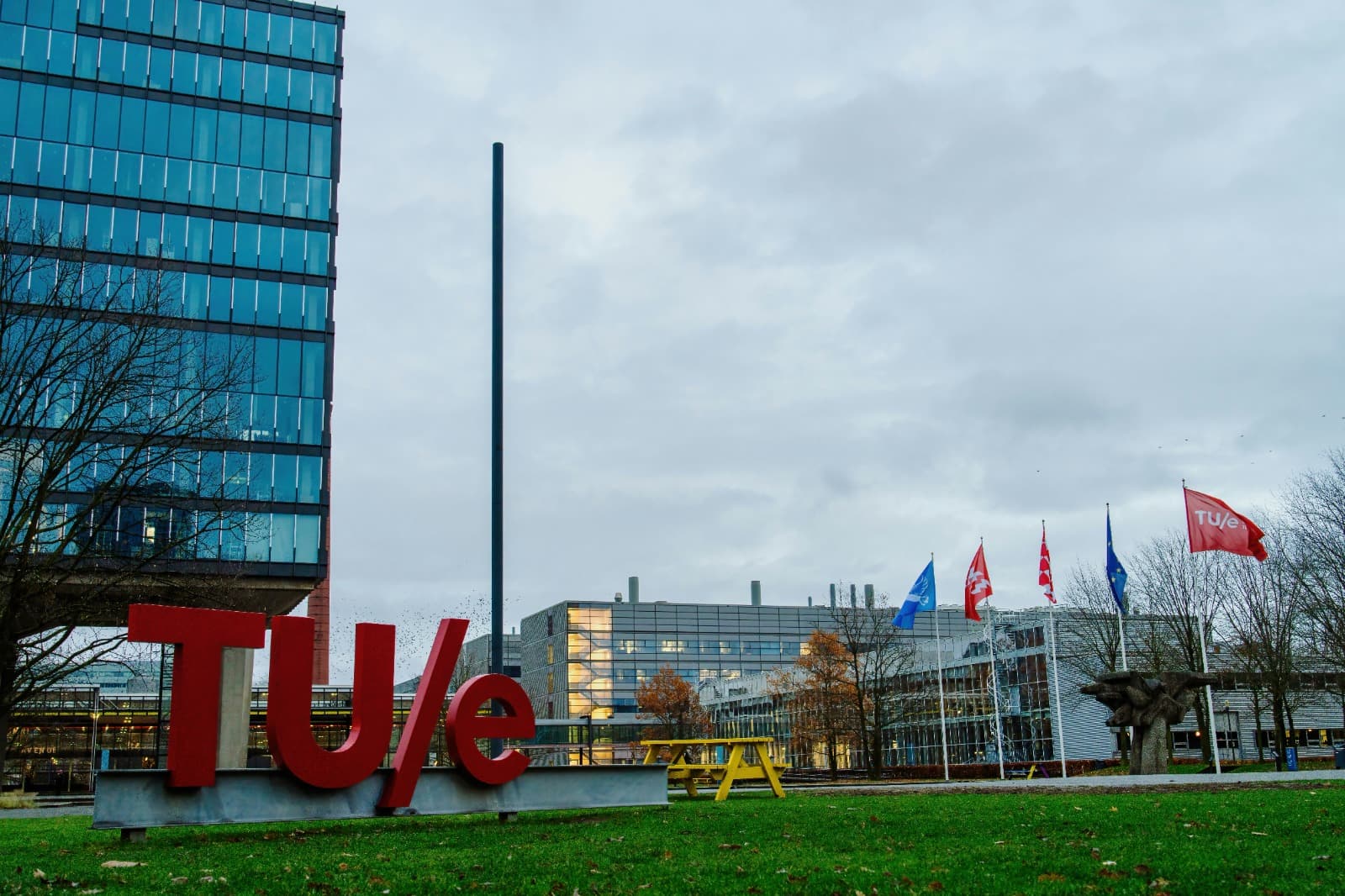
“I’m a Bachelor student at Eindhoven University of Technology studying Electrical Engineering. It’s a 3-year program, and I’m planning to specialize in areospace engineering.
I actually applied to both aerospace and electrical engineering programs, but I chose electrical because it’s more general and established. Also, my father is an electrical engineer, so that influenced me.”
Tell me a bit about your academic background.
“I studied at Bestepe College, doing both the Turkish national curriculum and A-levels.
I was also the captain of a team working on UAVs and radio-controlled aircraft systems. That’s where my interest in aerospace engineering came from.”
2. The Decision: Turkey vs Abroad
What did you application process look like initially?
“My first choice was the US; however, due to political constraints and high competition, I wasn’t able to get into the universities I wanted. The high competition also limits the ability of international students, especially from Turkey, to get any type of scholarship, so this was a big dealbreaker.”
At what point did staying in Turkey become a serious option for you?
“The reason I strongly considered staying in Turkey is that I wasn’t able to get into the universities I wanted in the US.”
What made staying in Turkey appealing at the time?
“The factors that drew me to staying at home were economic freedom, fewer monthly living expenses, having my own car, and my dad being connected within the field, so I had more opportunities. Also, the education in Turkey is more selective and difficult, although opportunities and education are still limited by willpower.”
What ultimately made you decide to leave Turkey and study abroad?
“The reasons that deterred me from staying in Turkey were that there are fewer career opportunities and experiences, and living abroad gives you a sense of individualism that is very unique. Being able to become your own person and stand on your own two feet is something very special.It is not easy to live abroad; it requires sacrifice, self-discipline, and willpower. You gain very serious personal skills, whether emotional, bureaucratic, financial, or even basic household skills.”
How realistic do you think studying abroad is for most students today?
“Living abroad is difficult to get used to. Other than edge cases like people with full rides or those who are very wealthy, it is not realistic for most to get into US or UK universities. That being said, the US may be more satisfying in terms of lifestyle and university life than Europe.”
3. Choosing Europe & the Netherlands
How would you describe the difference between US and European application systems?
“Applications in Europe are not holistic like in the US; if you have the grades, it is relatively easy to get into universities here. However, you should be aware of different requirements, like in Delft where they conduct their own entrance exam. The good thing about Eindhoven is that they make the visa process very easy and you don’t have to do a lot of work since they sponsor the process.”
How did you evaluate Europe compared to Turkey in terms of education and career opportunities?
“In Turkey, aerospace is very strong, and Turkey is a big name in engineering contrary to popular belief. As a student, to study abroad you need personal and strong reasons, it is not easy.
In Europe, there is a system that has been in place for a long time, and integration into the competitive job market is difficult. Especially if you have capital in Turkey, it is harder to build the same level in Europe, to go from 0 to 1 is very difficult.
However, to build a life and have a stable future, Europe is more ideal. Turkey has a volatile market, and students are forced to prove themselves through things like Teknofest. There is also a lot of nepotism and monopolies.
Education is very high quality in Turkey at top universities, but the working culture is quite broken and therefore not the most productive.”
What made you rule out other European countries?
“Germany was a no due to the language barrier (note from writer: I second this) getting to B1 in one year wasn’t very realistic for me. If you have economic concerns and still want a good education, I can recommend Italy, as the academic pressure is lower and there are good government scholarships. I didn’t choose the UK due to safety concerns, but I have friends in Ireland who enjoy their time there.”
Why did you ultimately choose Eindhoven and what stood out to you?
“Eindhoven is known as the Silicon Valley of Europe. My goal is to take advantage of the internship and job opportunities here. The welfare is really high, and the living standards, public transport, and emphasis on bikes make it a very livable city. The biggest problem is finding accommodation. There are no strict attendance requirements, and everything is very flexible.”
4. Academic Reality and Life in Eindhoven
How would you describe the academic system in Eindhoven?
“In Eindhoven, the curriculum is heavier in embedded systems and electronics rather than classical electrical engineering however, the content doesn’t change much. At TU Eindhoven electives take up a big part of the course and allow students to be more flexible within their degree.”
What was your biggest academic or cultural shock when you started?
“In Europe, the established culture is very hard to get used to, which is different from the US. There is a minimum six month adaptation process, and the first two months will definitely be difficult due to the very structured, disciplined, and humble lifestyle. The sense of fun of Europeans may also surprise you. My biggest shock here was that people are really average. Europeans, especially in the Netherlands, grow up without the struggles we may face, so there is a missing sense of ambition. They come out of high school less prepared and don’t approach things as deeply or in as much detail. European life is easier and more surface-level. If you are in a very good European university, then you may get the experience you expect. However, living in Europe really tests how well you can manage yourself, not only academically, but also in how you get things done. It’s a hybrid challenge.”
How does studying engineering here differ from high school learning?
“From high school to university, classes become bigger and much more reliant on self-study. Especially in engineering, you have to become comfortable with not understanding things and not being able to fully tangibilize them. There are pages of proofs behind the equations we use, it’s not just simple math, and it’s not always satisfying. It’s impossible to make sense of everything. You have to become an adult and take care of yourself.”
What opportunities are there available for students at TU Eindhoven?
“The education is very good, especially the practical side. In Eindhoven, we have a project each semester, and there are four quarters per year. Practical work is very important, although for someone considering going into research, it may not hold as much value. Eindhoven has career days and a lot of internship opportunities. However, even in the Netherlands there is a language barrier. In daily life, everyone speaks English, you could live your whole life here with just English, but in the job market, knowing the local language is always an advantage.
Another important thing to note about Europe is the humanist aspect. You may not be able to go into any field of work as an engineer, as there are many protests, a strong emphasis on green energy, and a more ‘woke’ culture.”
5. Money, Reality & Student Life
How would you evaluate the financial side of studying abroad in the Netherlands?
“If you look at the money to opportunity ratio, it is not worth it. If you plan to go back to Turkey after your education, doing your undergraduate in Turkey, which is high quality, and then doing your master’s abroad is the better choice. Living abroad at a young age creates serious economic pressure. Of course, it is not a huge difference if you’re studying at a private university in Turkey, but for the Netherlands, you have to be willing to spend around 30–35 thousand euros per year. You need to be prepared. Also, in Eindhoven and the Netherlands in general, if you don’t have a place to stay, do not come. I have friends who were left homeless because of this. I also have some friends in Belgium, which is much more affordable, and they are happy there.”
What is daily life like in Eindhoven as a student?
“If you don't have a place to stay do not come, Eindhoven is a nice place to live other from that. There are bars, Turkish nights, and transport is very easy. I love living here.”
6. Final Advice & Reflection
As we wrap up another conversation, I invite you to reflect on the trade-offs between studying abroad and staying home. This interview reminds us that there is no universally “better” choice. For some, staying offers stability, familiarity, and a strong foundation. For others, leaving offers independence, growth, and a completely different perspective on life. But what often gets overlooked is this: both paths require sacrifice.
Emirhan’s experience is a reminder that studying abroad is not just an academic decision, but a deeply personal one. It forces you to confront who you are, what you value, and what kind of life you want to build.
If you’re currently stuck between staying and leaving, just know that uncertainty is part of the process. And also be aware that you may never know if the choice you made was the “right” one, because this is not a multiple choice exam with an answer key at the end.
See you in the next episode.
Ayşe Su Özuğurlu